
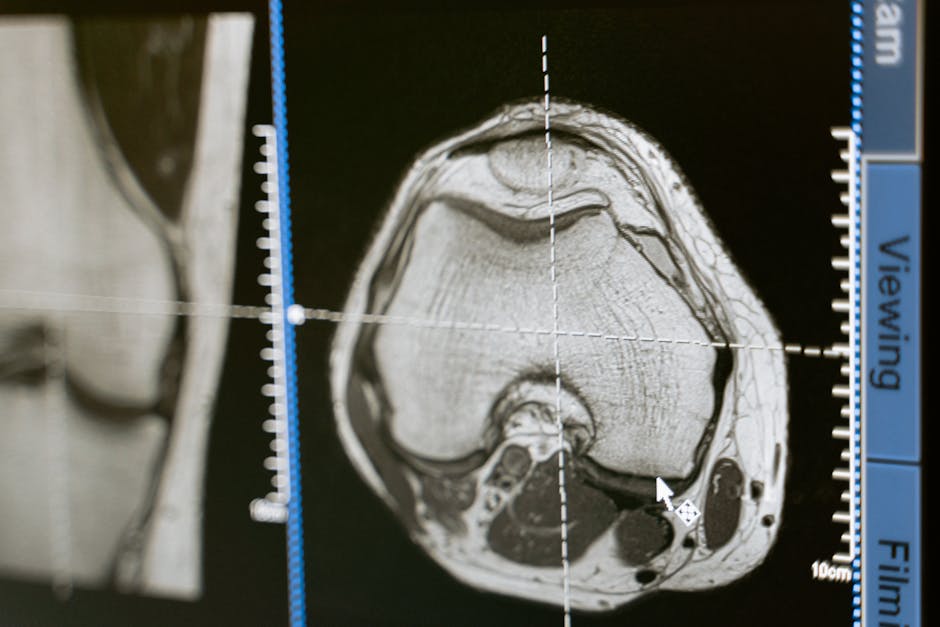
The intricate complexity of the central nervous system demands unparalleled precision in diagnosis. For physicians and healthcare professionals, accurately interpreting neuroradiological images isn’t just a skill; it’s a critical component of patient care, directly influencing treatment pathways and outcomes. The subtle nuances within a CT scan or MRI can reveal conditions ranging from acute stroke to degenerative diseases, each requiring immediate, informed action.
Staying at the forefront of neuroradiology imaging interpretation is an ongoing challenge. The field evolves rapidly, with new technologies and diagnostic protocols emerging regularly. We understand the demands placed on healthcare professionals and the vital need for trusted, high-quality educational experiences to maintain board certification and enhance clinical excellence.
For over five decades, since our inception in 1975, Edu Symp has been a premier ACCME-accredited provider, committed to delivering practical and evidence-based CME programs. Our focus is to equip you with the advanced knowledge required for critical diagnoses, ensuring you receive accredited learning opportunities that promote lifelong learning. Our team, with over a century of combined experience, designs programs like “Neuroradiology in Clinical Practice” to address these evolving demands head-on, delivering a robust educational pathway.
What is Neuroradiology and How Does it Work?
Neuroradiology is a specialized subspecialty of radiology focusing on the diagnostic imaging of the central and peripheral nervous systems, including the brain, spine, and head and neck. It employs various imaging modalities to visualize these complex structures, helping physicians diagnose and manage neurological conditions. This field is essential for pinpointing issues that might otherwise remain unseen, guiding neurological and neurosurgical interventions.
In neuroradiology, we primarily utilize advanced imaging techniques such as Magnetic Resonance Imaging (MRI) and Computed Tomography (CT). MRI excels in providing highly detailed images of soft tissues, distinguishing between different types of brain matter, detecting inflammation, and identifying subtle lesions. CT scans, while using X-rays, are faster and particularly effective for visualizing bone structures, acute hemorrhages, and complex fractures of the skull and spine. According to the Mayo Clinic, CT scans are invaluable in emergency situations for rapid assessment of head injuries and suspected stroke.
“Effective neuroradiological interpretation requires not only a deep understanding of neuroanatomy and pathology but also a nuanced appreciation for the strengths and limitations of each imaging modality. It’s about seeing beyond the pixels to the patient’s story.”
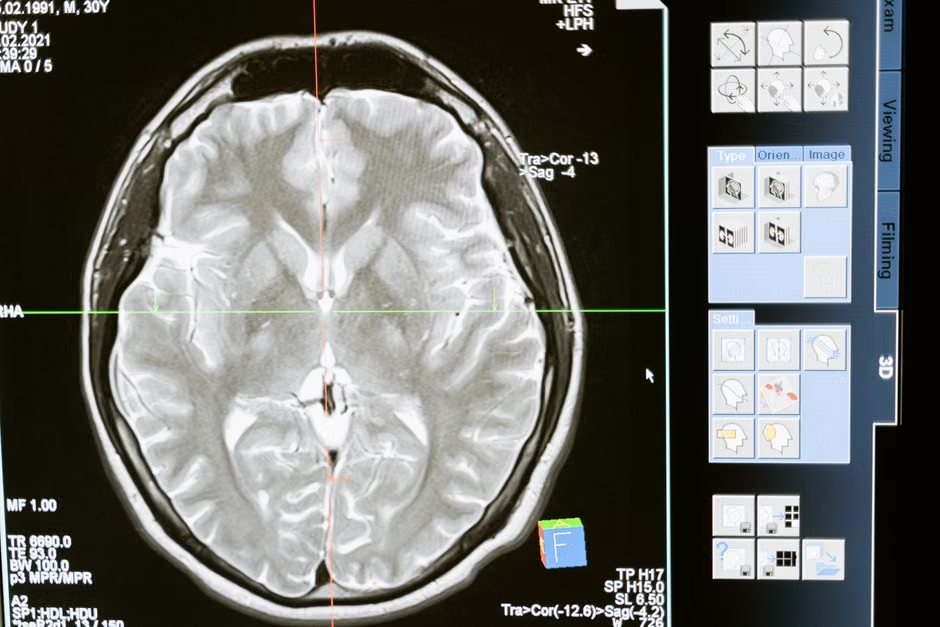
What Are the Essential Components of Neuroradiology Imaging Interpretation?
Essential components of neuroradiology imaging interpretation include a thorough understanding of normal anatomy, recognition of common and rare pathologies, and proficiency in analyzing various imaging sequences. Providers must systematically evaluate brain parenchyma, cerebrospinal fluid spaces, vascular structures, and surrounding bone for abnormalities, ensuring no critical details are overlooked.
Effective interpretation extends beyond simply identifying an anomaly. It involves understanding the clinical context of the patient, correlating imaging findings with symptoms, and formulating a differential diagnosis. Our curriculum, developed by respected medical experts, emphasizes a systematic approach to image analysis, covering:
- Detailed neuroanatomy and common variants
- Pathophysiology of neurological diseases as they appear on imaging
- Distinguishing between benign and malignant lesions
- Recognizing acute emergencies like stroke or hemorrhage
- Understanding the implications of imaging findings for patient management
This holistic approach ensures that participants don’t just see the images but comprehend their full diagnostic and prognostic significance. Our programs often feature case studies, offering practical clinical insights into how these principles apply in real-world scenarios.
What Are the Best Resources for Learning Neuroradiology?
The best resources for learning neuroradiology combine didactic instruction with extensive case exposure, often leveraging high-quality textbooks, online courses, and symposia. While seminal texts like Osborn’s Neuroradiology are invaluable for foundational knowledge, continuous learning through specialized CME programs is crucial for staying current with evolving techniques and interpretations.
Many physicians find a blend of resources most effective. For foundational learning, comprehensive textbooks like “Neuroradiology: The Requisites, 5th Edition” or “Osborn’s Brain” offer extensive detail on anatomy, pathology, and imaging principles. These often come with accompanying digital resources, including PDFs, which enhance accessibility. However, the field is dynamic, and textbooks alone can’t keep pace with every new development. That’s why accredited CME programs are so vital.
At Edu Symp, we provide quality and accredited learning opportunities designed for real-world application. Our programs feature international faculty leaders, offering insights into the latest techniques and challenging cases. For instance, our Neuroradiology in Clinical Practice program provides an immersive experience in current imaging strategies for critical conditions affecting the brain, spine, and head & neck. We believe that interactive learning, combined with structured review, offers the most impactful educational experience.
What to Look For: Critical Diagnoses in Neuroradiology
Neuroradiology plays a pivotal role in identifying a wide array of neurological conditions, many of which require rapid and accurate diagnosis. Our experienced faculty emphasize the key imaging features of these critical diagnoses, preparing you for effective clinical decision-making. Physicians should be adept at recognizing signs of:
- **Acute Stroke:** Ischemic or hemorrhagic, requiring quick differentiation for appropriate treatment.
- **Brain Tumors:** Characterization of primary versus metastatic lesions, aiding in biopsy and treatment planning.
- **Cerebral Aneurysms and AVMs:** Identification of vascular malformations that carry a risk of hemorrhage.
- **Multiple Sclerosis (MS):** Detecting demyelinating lesions in the brain and spinal cord, essential for diagnosis and monitoring.
- **Traumatic Brain Injury (TBI):** Assessing for hemorrhage, edema, and structural damage post-trauma.
- **Infections (e.g., Meningitis, Encephalitis):** Identifying inflammatory changes in brain tissue and meninges.
- **Spinal Cord Compression:** Diagnosing conditions like herniated discs, tumors, or abscesses affecting the spinal cord.
These conditions represent just a fraction of the complex cases that neuroradiologists encounter daily. Being able to confidently interpret these findings is paramount to patient safety and quality of care.
When Other Specialties Might Lead: Nuanced Suitability
While neuroradiology is indispensable for diagnosing central nervous system conditions, it’s part of a broader healthcare ecosystem. We recognize that not every neurological issue begins or ends with an imaging study. For example, a patient presenting with gait disturbance might initially be evaluated by a neurologist, who then orders imaging. Similarly, if a patient’s primary symptoms point strongly to a psychiatric disorder without clear neurological deficits, a psychiatrist would be the leading specialist. Imaging would be considered if there were atypical features or suspicion of an organic cause.
In cases of systemic diseases with neurological manifestations, such as certain autoimmune conditions or metabolic disorders, internal medicine or rheumatology specialists might coordinate care, utilizing neuroradiology as a key diagnostic tool among many. Our programs always contextualize imaging interpretation within multidisciplinary patient management, fostering a collaborative approach that truly benefits the patient.
What to Expect: Enhancing Your Diagnostic Capabilities
After engaging with our professionally accredited neuroradiology education, you should expect a tangible enhancement in your diagnostic capabilities. You’ll gain increased confidence in interpreting complex brain and spine imaging, leading to more precise diagnoses and better-informed patient management strategies. Our participants consistently report improved recognition of subtle findings and a stronger grasp of differential diagnoses. This isn’t about overnight transformation, but a significant, measurable advancement in your skill set over the course of the program.
The practical application of knowledge from our CME programs is evident quickly. Within weeks or months of completing a course, physicians often find themselves applying newly acquired insights directly to patient cases. This immediate relevance is a cornerstone of our educational philosophy, rooted in over 50 years of operational expertise in CME program design. We measure our success by your ability to integrate advanced knowledge seamlessly into your daily clinical practice, ensuring you can make critical decisions with greater certainty.
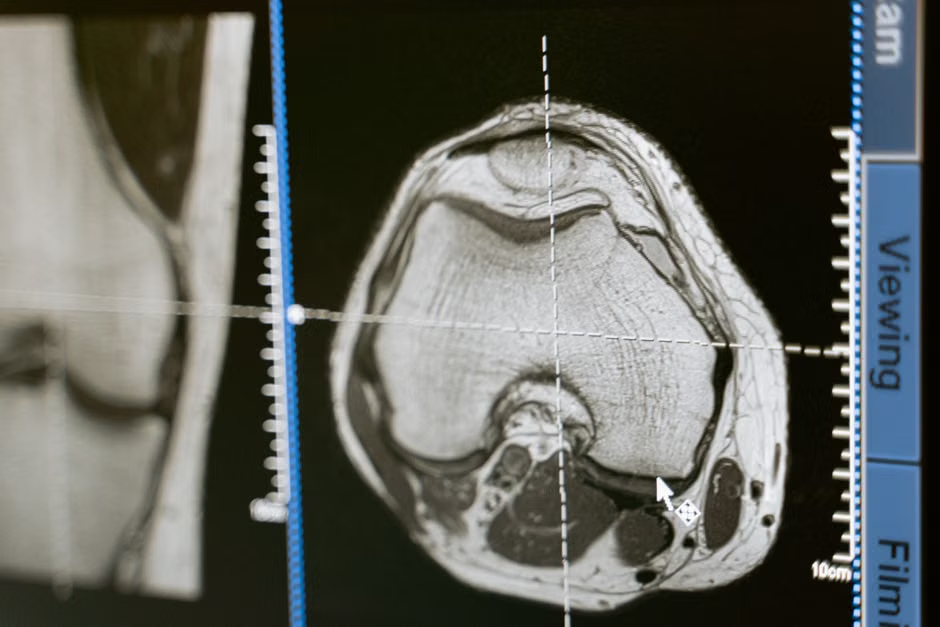
Practical Tips for Continuous Neuroradiology Learning
Maintaining excellence in neuroradiology requires ongoing commitment and strategic learning. Here are some practical tips to ensure your expertise remains current and sharp:
- **Engage with Case-Based Learning:** Regularly review challenging cases, perhaps through online platforms or peer discussions, to apply theoretical knowledge to real-world scenarios.
- **Attend Accredited CME Symposia:** Participate in live or on-demand programs like those offered by Edu Symp, which bring you the latest research and clinical guidelines from international faculty leaders. We offer over 700 AMA PRA Category 1 Credits annually.
- **Subscribe to Peer-Reviewed Journals:** Stay current with new imaging techniques, diagnostic criteria, and treatment advances by regularly reading journals dedicated to neuroradiology.
- **Utilize Online Educational Modules:** Many reputable institutions and professional societies offer modules focusing on specific pathologies or imaging modalities, perfect for targeted learning.
- **Participate in Grand Rounds and Multidisciplinary Conferences:** These forums offer invaluable opportunities to learn from complex cases, discuss differential diagnoses, and understand the perspectives of other specialists.
- **Mentor or Be Mentored:** Teaching others solidifies your own understanding, while mentorship provides guidance through complex areas of the field.
Continuous learning is not just a requirement for certification; it’s a pathway to excellence that ultimately benefits every patient you serve.
Mastering neuroradiology imaging interpretation is an ongoing journey that requires dedication, access to quality resources, and a commitment to lifelong learning. Our mission at Edu Symp is to support healthcare professionals in this vital endeavor, providing accessible education, high academic standards, and practical clinical insights. We’re proud to offer programs that not only fulfill CME requirements but genuinely elevate the diagnostic capabilities of physicians across specialties. Your success in making critical diagnoses is our ultimate goal.