
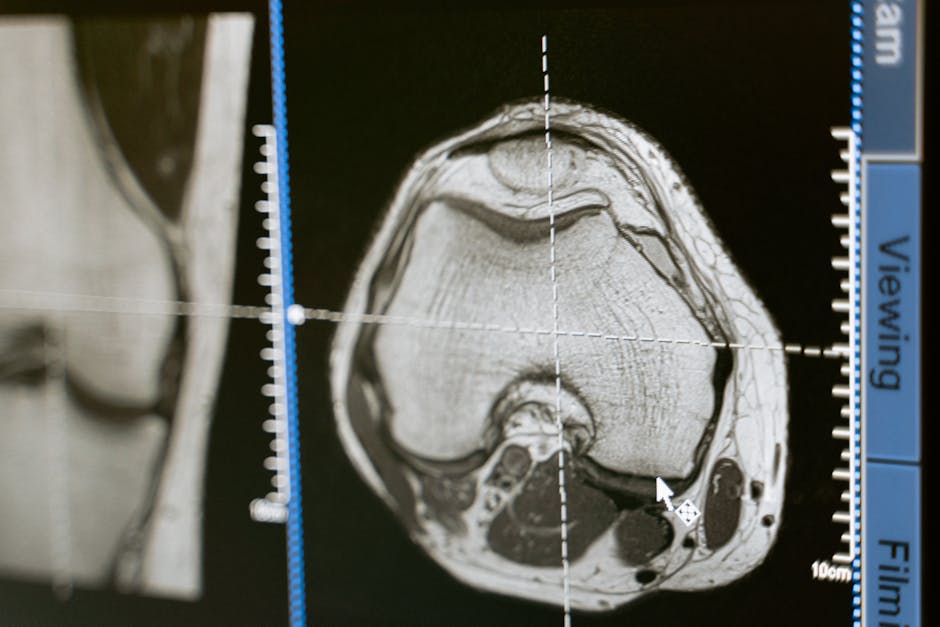
Staying current with the evolving landscape of breast imaging and mammography is a critical challenge for healthcare professionals. The latest guidelines, technological advancements, and nuanced approaches to screening directly impact patient care and outcomes. Misinformation or outdated practices can lead to delayed diagnoses, increased patient anxiety, or unnecessary interventions.
For clinicians dedicated to excellence in women’s health, understanding the intricacies of current standards isn’t just a recommendation; it’s a professional imperative. We recognize the profound responsibility you carry in detecting breast cancer early and accurately, often making the difference in a patient’s prognosis. This pillar post will delve into these essential topics, providing a practical, evidence-based overview.
At Educational Symposia, we provide quality and accredited learning opportunities designed to help you navigate these complexities. Being an ACCME accredited provider, we guarantee that physicians experience trusted and high-quality educational experiences that will promote certification, clinical excellence, and lifelong learning. Our mission is to support your continuous professional growth, ensuring you have access to the latest insights and best practices in fields like radiology and women’s imaging. You can explore our full range of programs and educational offerings on our homepage.
Foundation: What Is Breast Imaging and Mammography?
Breast imaging encompasses various techniques used to visualize breast tissue, primarily for screening and diagnosis of breast conditions, most notably breast cancer. Mammography, the most common form of breast imaging, uses low-dose X-rays to examine the breasts. It’s a cornerstone of early detection efforts, capable of identifying changes in breast tissue that may be too small or subtle to feel.
Digital mammography, including 2D and 3D (tomosynthesis) techniques, has become the standard. Digital breast tomosynthesis, in particular, offers a clearer view of breast tissue by creating a 3D image, which can be especially helpful for women with dense breasts. The National Cancer Institute provides a helpful overview of mammograms and their role in breast cancer screening, highlighting its effectiveness in reducing breast cancer mortality.
What Are the Current Breast Cancer Screening Guidelines?
Current breast cancer screening guidelines recommend regular mammography for women, typically starting in their 40s or 50s, with varying frequencies depending on individual risk factors and organizational recommendations. These guidelines aim to balance the benefits of early detection with the potential harms of screening, such as false positives or overtreatment.
While there’s broad consensus on the importance of mammography, specific recommendations can differ between major medical organizations. The American Cancer Society (ACS), for instance, recommends women at average risk begin annual mammograms at age 40 and continue as long as they are in good health. The U.S. Preventive Services Task Force (USPSTF), however, suggests biennial screening for women aged 40 to 74, based on their latest recommendations. These variations underscore the need for clinicians to understand the rationale behind each guideline and to engage in shared decision-making with their patients.
“Early detection through mammography significantly improves breast cancer outcomes, but screening strategies must be tailored to individual patient risk profiles and preferences, considering the latest evidence-based guidelines from reputable medical bodies.”
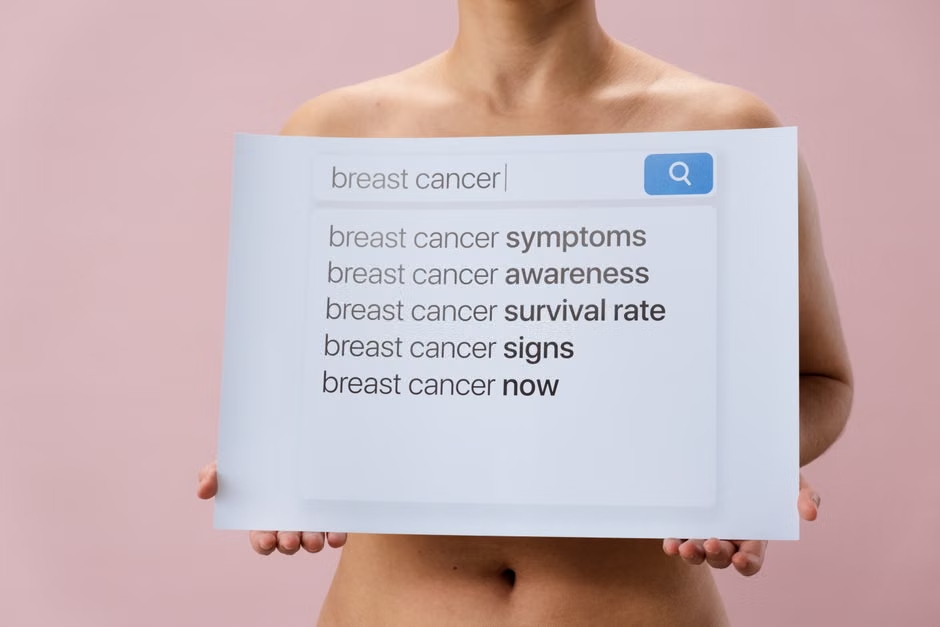
What to Look For: Signs and Symptoms of Breast Cancer
While screening mammograms are crucial for detecting cancer before symptoms appear, it’s equally vital for both clinicians and patients to be aware of the potential signs of breast cancer. Recognizing these symptoms can prompt timely evaluation and diagnosis. These are often the “signs of breast cancer” that patients may notice themselves.
Common breast cancer symptoms to look for include:
- A new lump or mass in the breast or armpit, which may be painless.
- Swelling of all or part of the breast, even if no distinct lump is felt.
- Skin irritation or dimpling, sometimes resembling an orange peel.
- Breast or nipple pain.
- Nipple retraction (turning inward) or nipple discharge other than breast milk.
- Redness, scaliness, or thickening of the nipple or breast skin.
- Inflammatory breast cancer symptoms can present as sudden redness, swelling, and warmth, without a noticeable lump.
When patients present with any of these concerns, a thorough clinical breast exam and further diagnostic imaging, such as a diagnostic mammogram, ultrasound, or MRI, are warranted. Our specialized CME programs on radiology and neuroradiology delve into the diagnostic protocols for such cases.
ACOG Mammogram Guidelines: What Do They Advise?
The American College of Obstetricians and Gynecologists (ACOG) recommends annual mammography for women starting at age 40 and continuing until at least age 75. ACOG emphasizes the importance of shared decision-making, allowing women to discuss their individual risk factors and preferences with their healthcare provider to determine the most appropriate screening schedule.
ACOG’s guidelines generally advocate for early and regular screening, aligning with the perspective that early detection provides the best chance for successful treatment. They also highlight the need for a comprehensive approach that includes clinical breast exams and patient awareness of breast changes. This consistent approach ensures that healthcare providers, particularly those in obstetrics and gynecology, are equipped to counsel patients effectively on their screening options. Educational Symposia has been in operation since 1975, and we’ve observed that consistent, expert-led education on these guidelines is essential for all specialties involved in women’s health.
How It Works: The Mammography Process
The mammography process is designed to capture detailed images of breast tissue. During the procedure, the breast is compressed between two plates for a few seconds. This compression is crucial for spreading the tissue evenly, reducing the amount of radiation needed, and minimizing motion blur, ensuring high-quality images. The X-rays then pass through the breast to a detector, which records the digital image.
Radiologists, specialists in interpreting medical images, then analyze these images for any suspicious areas, such as masses, calcifications, or distortions. The entire procedure is relatively quick, typically lasting about 15-30 minutes. The American College of Radiology offers resources that detail the mammography procedure and what patients can expect, reinforcing the importance of proper technique and interpretation.
Nuanced Suitability: Beyond Standard Screening
While mammography is a powerful screening tool, its suitability isn’t universal, and for some women, additional or alternative screening methods may be necessary. Women with very dense breasts, for example, may benefit from supplementary screening such as breast ultrasound or MRI, as dense tissue can obscure abnormalities on a mammogram. Genetic predispositions, a strong family history of breast cancer, or prior radiation therapy to the chest can significantly increase a woman’s lifetime risk, warranting earlier and more frequent screening, often including breast MRI.
For patients considering screening, we encourage open dialogue about their personal risk factors. Our curriculum, developed by respected medical experts, ensures clinicians are prepared for these nuanced conversations. This might involve referring patients for genetic counseling or discussing risk-reduction strategies alongside imaging. It’s about providing truly personalized care, rather than a one-size-fits-all solution.

Guidelines for Mammograms After Age 70: Is Screening Still Necessary?
For women over 70, mammogram guidelines become more individualized, shifting from a fixed schedule to a consideration of overall health, life expectancy, and personal preferences. While some organizations suggest discontinuing screening at age 75 for average-risk women, others recommend continuing as long as a woman is in good health and has a life expectancy of at least 10 years.
Discussions should involve the potential benefits of detecting breast cancer at an older age versus the risks of false positives, overtreatment, and the patient’s comorbidities. It’s important to remember that breast cancer incidence continues to rise with age, so the decision isn’t always straightforward. In our practice, we’ve seen that a collaborative approach between the patient, their primary care provider, and the radiologist ensures the most appropriate screening decisions are made.
“Continuing mammography screening in older women should be a shared decision-making process that weighs the potential benefits of detecting treatable cancers against the risks of overdiagnosis, considering the patient’s health status and personal values.”
Practical Tips for Clinicians in Breast Imaging
To optimize patient care in breast imaging, consider these practical tips:
- Educate Patients Proactively: Discuss the benefits and potential harms of screening, varying guidelines, and personal risk factors. Empower them in shared decision-making.
- Stay Updated on Guidelines: Regularly review recommendations from major organizations like the ACS, ACOG, and USPSTF, understanding their differences and rationales.
- Assess Breast Density: Always determine breast density and counsel patients on its implications for screening, recommending supplemental imaging when appropriate.
- Understand Risk Assessment Models: Utilize tools to identify high-risk patients who may benefit from earlier or more intensive screening protocols, including MRI.
- Facilitate Timely Follow-up: Ensure efficient processes are in place for diagnostic workup of abnormal findings to minimize patient anxiety and improve outcomes.
- Engage in Continuing Education: Participate in CME programs focused on new technologies, evolving guidelines, and challenging case reviews to maintain and enhance your expertise. Educational Symposia offers robust programs to support this vital need.
What to Expect from Breast Cancer Screening Results
Patients typically receive their mammography results within a few days to a couple of weeks, depending on the facility. A “normal” or “negative” result means no suspicious findings were identified. If the mammogram shows an area of concern, the patient will be called back for additional imaging, such as a diagnostic mammogram with spot compression or magnification views, or a breast ultrasound.
It’s important to reassure patients that being called back doesn’t automatically mean cancer. Many callbacks result in a benign finding, but further investigation is necessary for clarification. If suspicious findings persist, a biopsy may be recommended to determine if cancer cells are present. Our team, with over a century of combined experience in medical education, emphasizes clear communication throughout this process, managing patient expectations and anxiety.
Navigating the complexities of breast imaging and mammography is a continuous journey of learning and adaptation for healthcare professionals. From understanding evolving screening guidelines to effectively communicating with patients about their risks and results, your expertise directly influences patient health. We’re committed to providing the practical and evidence-based education you need to excel. We invite you to explore our upcoming symposia and online courses to deepen your knowledge and enhance your clinical skills in this vital area. Your success is our mission, and we’re here to support your dedication to clinical excellence and lifelong learning in breast imaging.